
ICE Detention Release Outcomes
An ICE custody episode can end through release from detention, removal, or transfer. The ODLS locator is a location tool, not a complete explanation of the outcome. Some recently released people may remain visible for a limited period, but that visibility is not a permanent federal discharge record. Ask ICE or the authorized case channel for the precise event.
When McMinn County Jail records “release to ICE,” the local booking ended through an agency handoff. The sheriff event should supply the recorded destination when public. ICE then owns the next custody stage. A person absent from ODLS may have moved recently, may fall outside public locator coverage, may require different search details, or may no longer be in ICE detention. Absence alone proves none of those possibilities.
No official source reviewed establishes a permanent ICE detention facility in McMinn County. No local ICE capacity, release desk, or standing detainee roster can be verified. An ODLS result may name a detention site elsewhere. That named site and ICE become the correct contacts for the immigration custody stage, while the McMinn sheriff remains responsible for its own earlier booking and handoff record.
| Record | What it can establish |
|---|---|
| McMinn jail event | Local custody end and documented handoff |
| ICE ODLS result | ICE detention location or covered recent status |
| ERO information line | Fallback routing for a documented ICE case |
| Court or agency order | Legal basis and case action |
Confirm ICE Release Records
Open the official ICE Online Detainee Locator. The identifier route uses the nine-digit A-number and country of birth. The biographical route uses exact name, country of birth, and date of birth. Search only for a documented immigration custody question.
- Confirm that an ICE detainer or transfer is recorded by the prior agency.
- Choose the A-number or biographical search route.
- Enter exact information and review the returned detention details.
- Try verified spelling variants if a valid search produces no match.
- Use the ERO Detention Reporting and Information Line when ODLS does not resolve the case.
Children and some recently moved records may not appear. The published ERO fallback number is 1-888-351-4024. Do not guess an A-number or infer custody from a person's name, national origin, or language.
The A-number route depends on an exact nine-digit identifier and country of birth. The biographical route depends on exact name, country of birth, and date of birth. A failed search may reflect a typo, recent movement, a record outside public coverage, or another limit. Retry only with verified facts. Do not alter identity details until a result appears.
ICE Locator Contact Route
The facility map identifies an ICE detention network, not a local McMinn institution. There is no verified county ICE address, capacity, release desk, or public roster to publish. The official locator and ERO information line are the correct general channels.
Immigration and Customs Enforcement detention networkNo permanent ICE facility verified in McMinn County
Online Detainee Locator System
ERO information line: 1-888-351-4024
A specific detention center named in ODLS should be contacted through its official ICE listing. The McMinn sheriff can answer only the local release or transfer event. BOP can answer only sentenced federal prison custody. Neither office can certify an ICE outcome it did not create.
ICE and McMinn Custody Scope
ICE detention is civil immigration custody. It is not McMinn County Jail, a TDOC state prison, or the BOP federal prison system. The reviewed sources do not support calling McMinn County Jail a permanent ICE facility. Unverified social posts or broad claims should not override the official record.
The custody distinction protects accuracy. A McMinn roster disappearance can be bond, sentence completion, another jail, TDOC, USMS, ICE, or another event. Only a documented detainer or handoff supports opening the immigration branch. Even then, the local event and ICE event remain distinct.
A detainer is a notice or request connected to possible custody by another authority. Its presence does not itself describe the final movement. The McMinn release event should show whether a handoff occurred and identify the destination when public. If the record instead shows another jail, TDOC, bond, or sentence completion, do not open the ICE path merely because an immigration question was raised.
Read ICE Locator Limits
ODLS covers current detainees and, according to ICE's official attorney information, some people released from ICE custody within the last 60 days. That window is a locator feature. It is not legal retention, a McMinn release feed, or an explanation of what happened next. A result may lag after a transfer.
Record the exact displayed facility, status wording, and retrieval date. If an ICE case is not found, verify the A-number and country of birth, try the exact biographical route, and call ERO. Do not publish sensitive identifiers or treat a failed match as proof of community release.
The recent-release coverage is narrow. It does not say whether the person entered the community, was removed, transferred to another agency, or later returned to custody. When that distinction matters, ask ICE through the authorized route for the event and preserve the exact language received. Do not convert locator silence into a claimed outcome.
ODLS is also not the source for a federal criminal sentence. BOP and PACER answer those questions. A person can move between systems, so each agency record should be placed in time order.
ICE Release Versus BOP Release
The BOP locator may report “Released” or “Not in BOP custody” and a release date for sentenced federal custody. Those phrases do not answer ICE detention. The facility-matched successful capture comes from BOP's inmate-locator information route and is useful here only to show the federal system that must not be confused with ODLS.
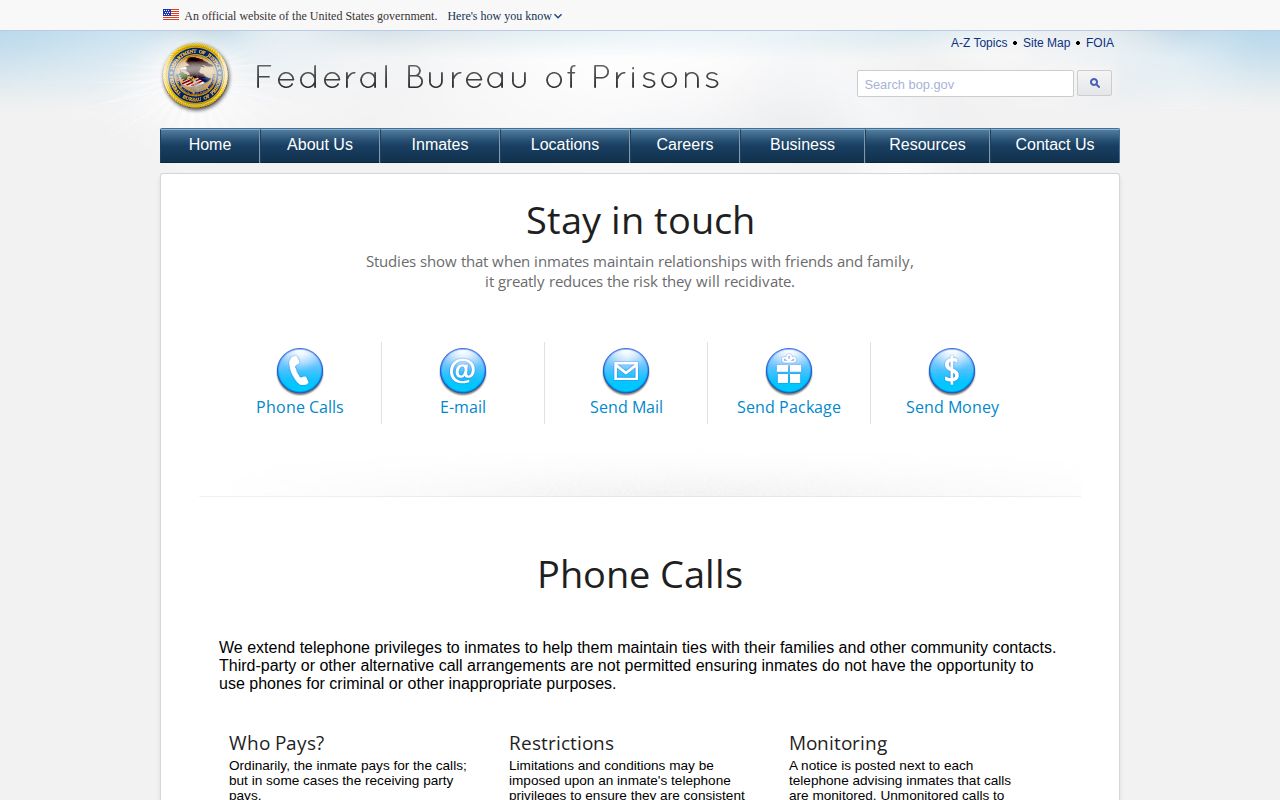
BOP status must stay in the federal-prison column. ODLS status belongs in the immigration column. If both systems appear in one person's history, preserve the dates and do not assume which agency acted next without an event record.
USMS adds another federal layer. It can control pretrial prisoners and place them in local contract beds, even when no sentenced BOP record exists. PACER may show a federal detention or release order, while the actual holding jail records physical movement. None of those criminal custody sources replaces ODLS for a documented ICE detention question.
Verify McMinn ICE Handoffs
Request the named McMinn booking and release record from the sheriff when a local custody event came first. Ask for release date and time, reason, releasing authority, and transfer destination when public. The court record can explain the criminal disposition but may not show the physical handoff.
Next search ODLS and contact ERO. If ICE identifies a detention site, use that facility's official channel. If the person is released from ICE detention, obtain the agency record or authorized case information needed to distinguish community release, removal, and transfer. The McMinn County release search covers the sheriff and court portions.
Build the timeline by record owner. First place the McMinn jail admission and handoff. Next place the ICE locator result or agency response. Then add any later transfer or release event from the office that created it. This sequence prevents a local “release” field from being mistaken for the end of immigration custody.
If the sheriff archive and court file do not mention ICE, stop before using ODLS. Check whether another county, TDOC, USMS, bond, or sentence completion explains the roster change. Only a documented immigration link supports the ICE branch. This guard avoids attaching a federal civil custody claim to the wrong person or event.
When ODLS names a facility, preserve its exact name and retrieval date. Contact that official facility channel for the custody question it owns. If the result later disappears, call ERO rather than stating that release occurred. The person may have moved, left the locator's recent window, or entered another status that ODLS does not explain.
Note: A local “release to ICE” is a transfer and must not be described as release to the community.